
Why Preventive Solar Maintenance Supports Long-Term System Performance
Residential and commercial solar energy systems are designed to deliver reliable electricity for many years. Many property owners choose to work with trusted providers such as Avera Energy solar company for professional installation and ongoing maintenance support. Modern solar panels are built to withstand changing weather conditions and require relatively little attention compared with many other types of equipment. However, low maintenance does not mean no maintenance. Like any long-term investment, solar systems perform best when they receive regular inspections and routine care. Preventive solar maintenance focuses on identifying minor issues before they develop into larger problems that may affect energy production. Understanding why preventive solar maintenance supports long-term system performance helps homeowners and property owners protect both their investment and their long-term energy goals.
Maintaining Consistent Energy Production
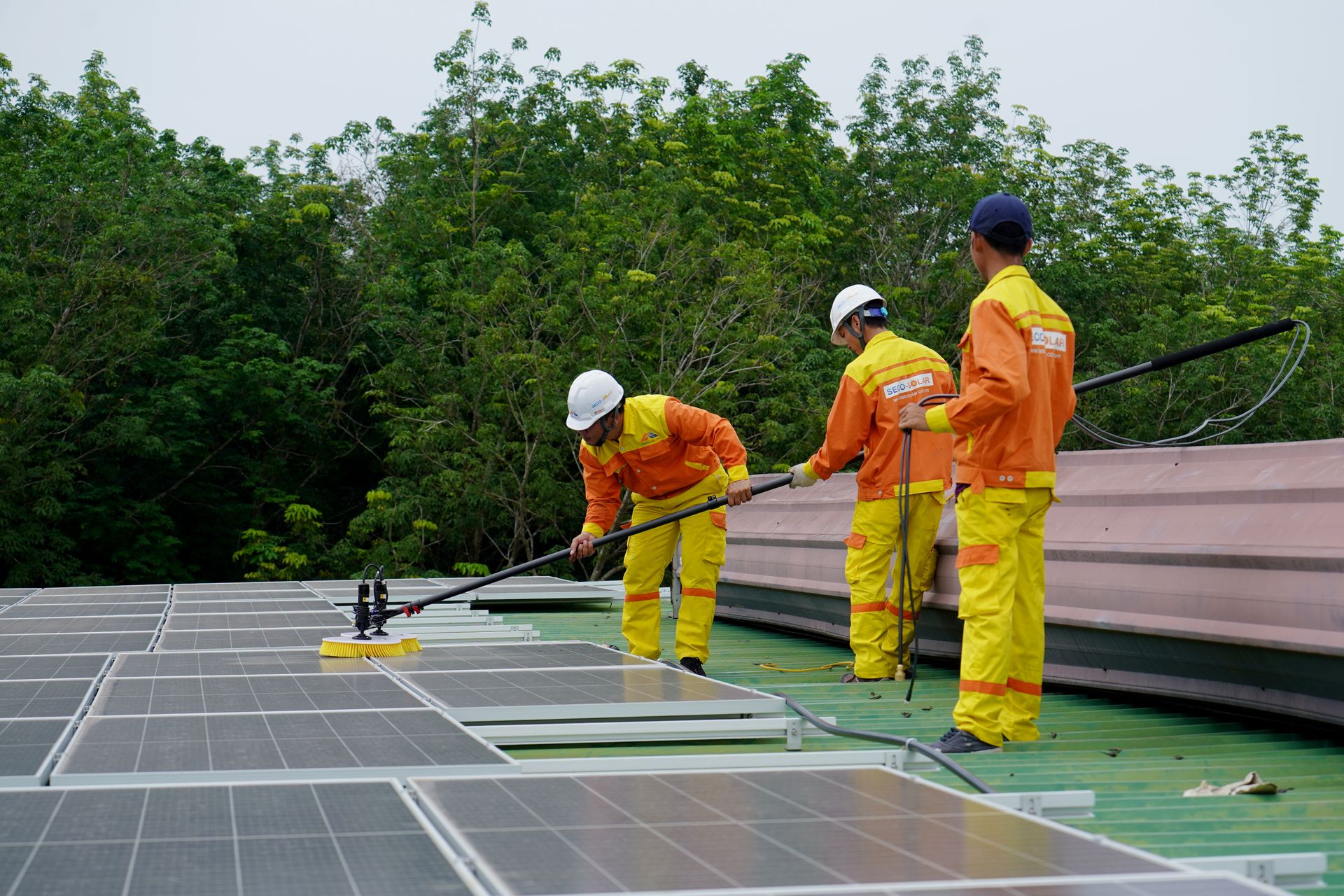
The primary purpose of a solar energy system is to generate electricity efficiently. Over time, several factors can reduce energy production if they are not addressed. Dust, dirt, leaves, bird droppings, and other debris may gradually accumulate on solar panels. This buildup can reduce the amount of sunlight reaching the photovoltaic cells. Preventive maintenance includes checking panel surfaces and determining whether cleaning is necessary based on local environmental conditions. Regular inspections also help identify shading caused by growing trees or newly installed structures. Maintaining clear access to sunlight helps the system continue producing electricity as efficiently as possible throughout the year.
Detecting Minor Problems Early
Many solar system issues begin as small problems that are difficult to notice during normal operation. Loose electrical connections, worn wiring, damaged mounting hardware, or small cracks may not immediately affect system performance. Preventive maintenance allows technicians to identify these issues before they become more serious. Early detection often makes repairs simpler and less expensive. Addressing small concerns promptly reduces the likelihood of unexpected system downtime and helps maintain stable electricity generation. Regular inspections provide an opportunity to correct developing issues before they impact the overall performance of the solar installation.
Protecting System Components
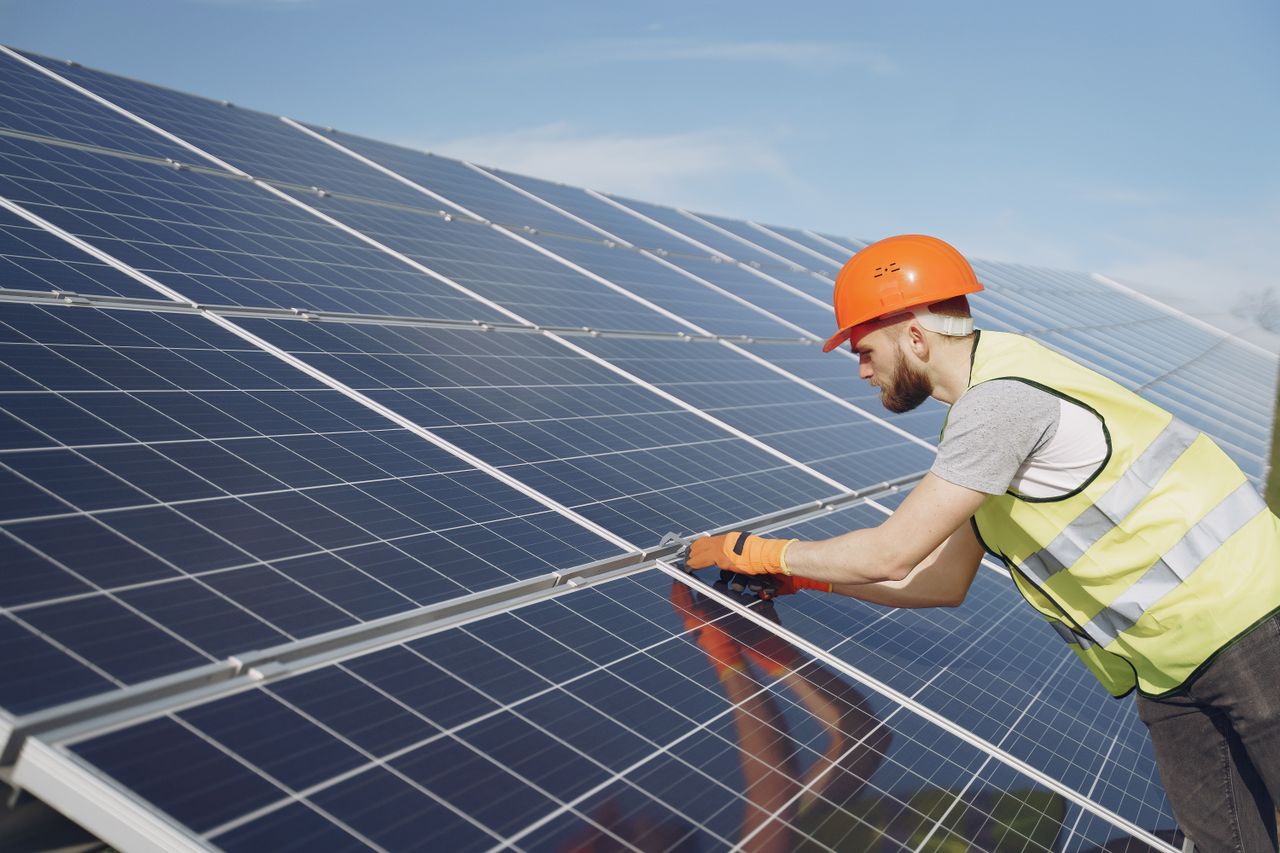
A residential solar system consists of more than solar panels alone. Inverters, electrical wiring, mounting structures, connectors, and monitoring equipment all contribute to reliable operation. Preventive maintenance includes evaluating the condition of these supporting components. Inverters are checked to verify they are operating correctly. Mounting systems are inspected for stability, while electrical connections are reviewed for signs of wear or corrosion. Protecting every part of the system helps maintain overall reliability. Since multiple components work together to produce electricity, routine inspections support the performance of the entire installation rather than focusing only on the panels themselves.
Supporting Long-Term Financial Value
Installing a solar energy system represents a significant long-term investment for many property owners. Protecting that investment requires more than simply waiting for problems to appear. Preventive maintenance helps preserve system efficiency over many years. Consistent energy production supports the financial benefits associated with reduced electricity purchases. Unexpected repairs can become more expensive when problems remain unnoticed for extended periods. Routine maintenance often reduces these risks by encouraging timely repairs before larger failures occur. Maintaining strong system performance also helps maximize the long-term value homeowners receive from their solar installation.
Monitoring Performance Trends
Many modern solar systems include digital monitoring software that tracks electricity production throughout the day. These monitoring tools provide valuable information about how the system performs over time. Preventive …
Why Preventive Solar Maintenance Supports Long-Term System Performance Read More

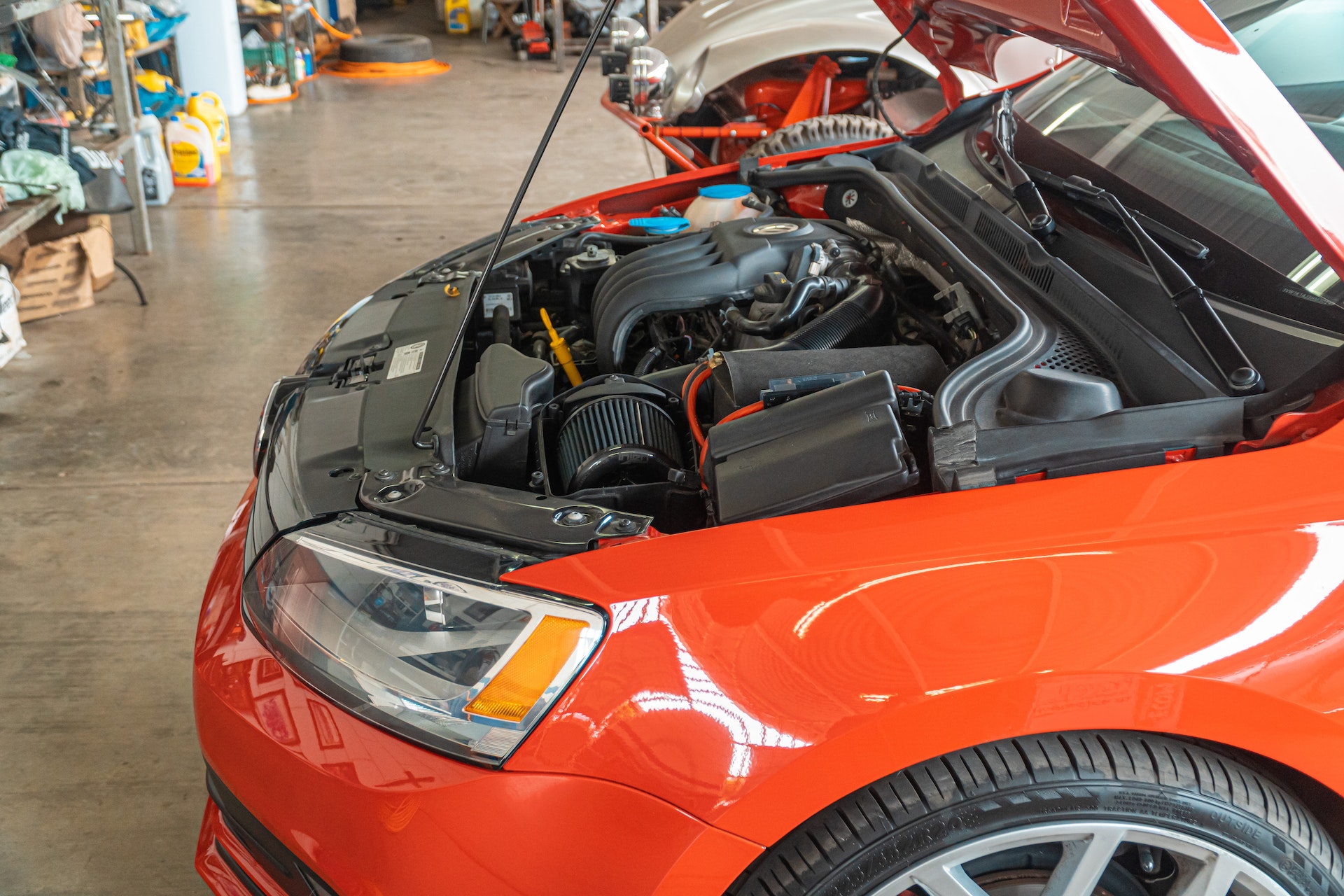
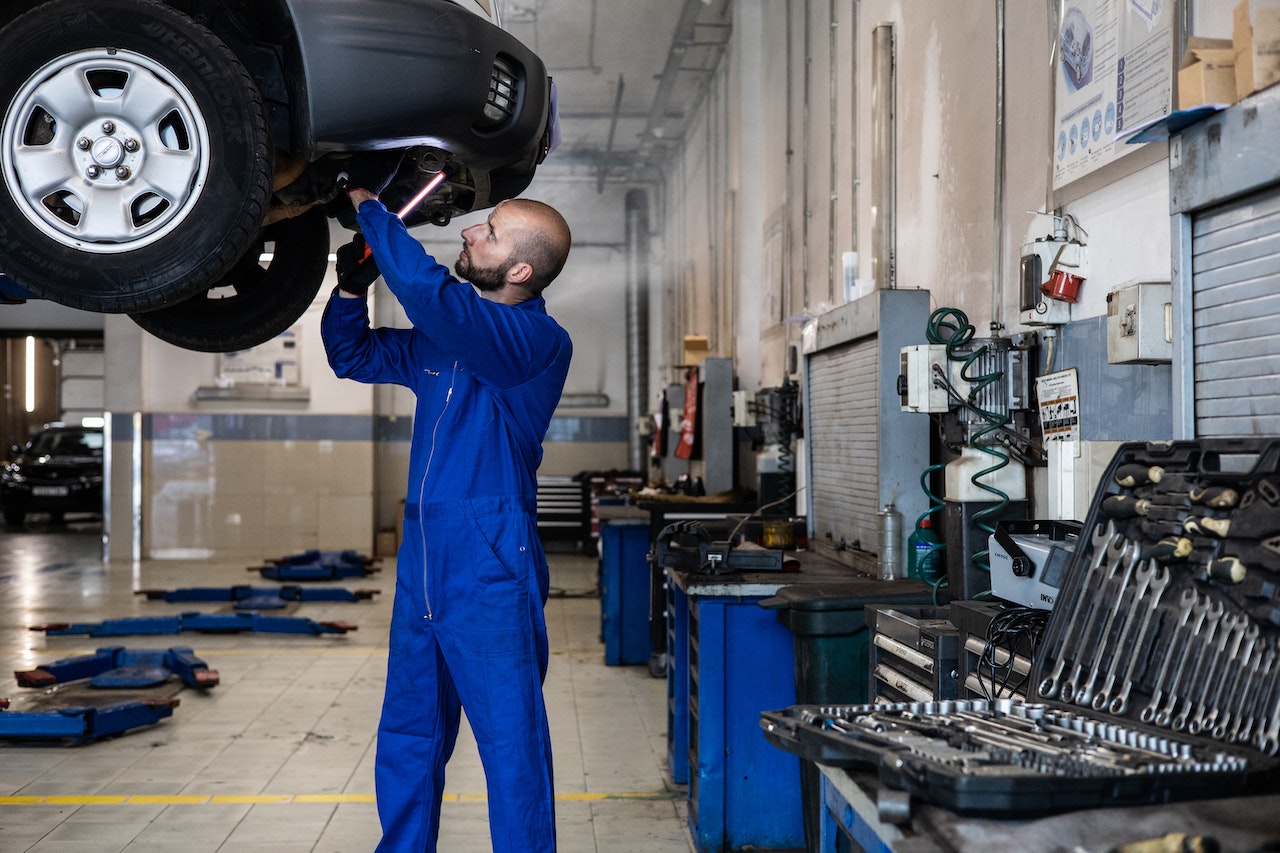
 Maintaining your car’s performance is crucial to ensure its smooth functioning and longevity. Regular maintenance can help prevent potential problems that may lead to costly repairs in the future. The most important thing you can do to maintain your car’s performance is regularly changing its oil and air filters. Dirty oil and clogged air filters can reduce engine efficiency, which affects overall performance.

 The way employees move throughout the office space can have a big impact on how productive they are. If there are too many people in one area, it can create a bottleneck and cause frustration. On the other hand, if people are spread out too much, it can lead to wasted time and effort walking from one place to another. Your office layout should consider the typical activities that take place and optimize traffic flow.
 Another essential factor to consider is comfort. If your employees are not comfortable, they will not be as productive. Ensure the temperature is set to a comfortable level and there is enough natural light. Consider adding plants or other greenery to the office to improve air quality and create a more pleasant environment. Amenities such as a kitchen or break room can make a big difference.
 Not only is it essential to consider the comfort of your employees, but also the impact of your office on the environment. A more energy-efficient office can save you money and help reduce your carbon footprint. Look for ways to reduce wastage, such as using natural light instead of artificial lighting or investing in energy-efficient appliances. You can make your office more sustainable and eco-friendly with a little effort.